Project-Scale Demolition
Concrete Demolition in Burlington NC
Concrete demolition starts by understanding the project area: what needs to be broken down and removed, and what must remain around it.
Discuss Your Demolition Project
The Bigger Picture
Demolition Is More Than Breaking Concrete
Concrete Demolition is the planned breakdown and removal of substantial existing concrete sections or elements where appropriate. Breaking the concrete is only one part of the work.
A properly scoped project looks at what is being removed, the surrounding areas, access, utilities, the concrete’s condition, reinforcement where present, debris, and what happens after demolition.
Planning those details with concrete contractors in Burlington helps define a clear, realistic scope.
Inside the Zone
Inside the Demolition Zone
Everything that is part of the demolition scope:
- Concrete scheduled for demolition
- Defined project boundaries
- Material being broken down and removed
- The working area
The zone should be clearly defined before any work begins.
Outside the Zone
Outside the Demolition Zone
Everything that is not part of the scope but still matters:
- Concrete that must remain
- Buildings and structures
- Landscaping and neighboring surfaces
- Utilities and drainage features
- Access routes and other property features
Planning aims to limit effects on these areas, though some disturbance near a work zone can occur.
Project Types
What Kind of Concrete Needs to Come Down or Come Out?
Large Flatwork Areas
Substantial sections of existing slabs or paved concrete areas.
Old Concrete Features
Concrete elements that no longer fit the planned use of the property.
Renovation Areas
Existing concrete that must come out as part of a properly planned renovation.
Redevelopment or Site Change
Concrete occupying an area needed for a different planned use.
Damaged or Unsuitable Concrete
Where evaluation shows that keeping the concrete is not appropriate for the project. Not every damaged slab needs demolition.
Before Breakdown Begins
Planning Comes First
01
Define the Scope
What concrete is actually part of the demolition project?
02
Identify What Must Remain
Which surfaces, structures, and features are outside the scope?
03
Review Site Conditions
Access, concrete type, surroundings, and project constraints.
04
Consider Utilities and Hidden Conditions
Concealed services or structural conditions that affect the plan.
05
Plan Material Handling
How the broken concrete will be managed.
06
Understand the Next Phase
What the cleared area is meant for afterward.
Complexity
What Can Make a Demolition Project More Complex?
Access, Surroundings, and Configuration
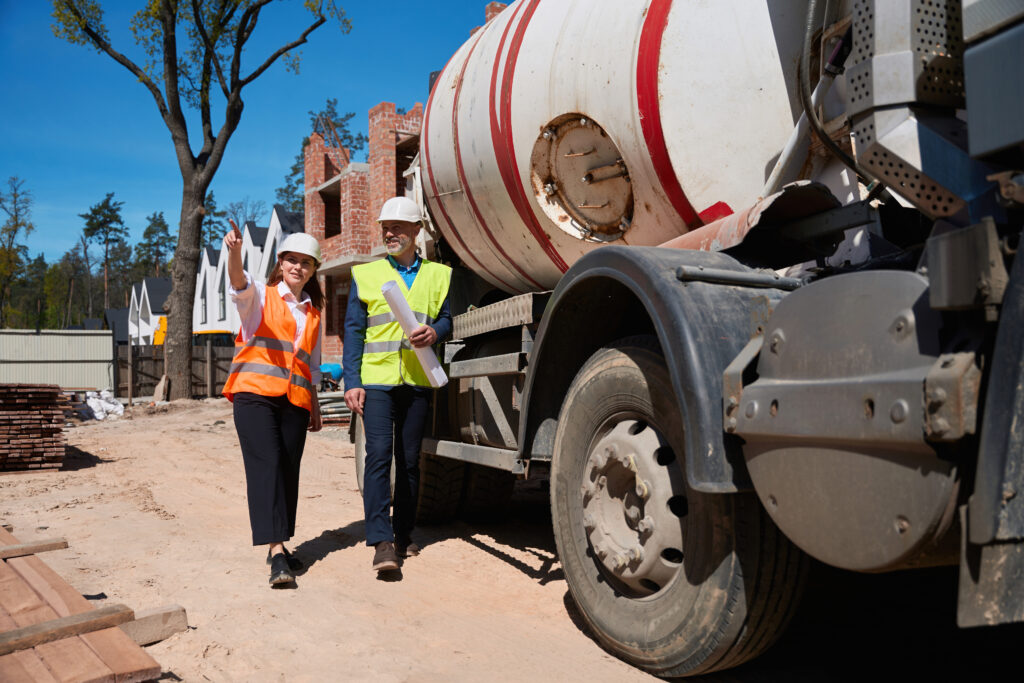
Restricted access affects how material moves out. Nearby structures, surfaces, and landscaping shape the work area, and the type, size, and configuration of the concrete influence the overall scope. The planned next phase can also affect where demolition starts and stops.

Reinforcement, Utilities, and Hidden Conditions
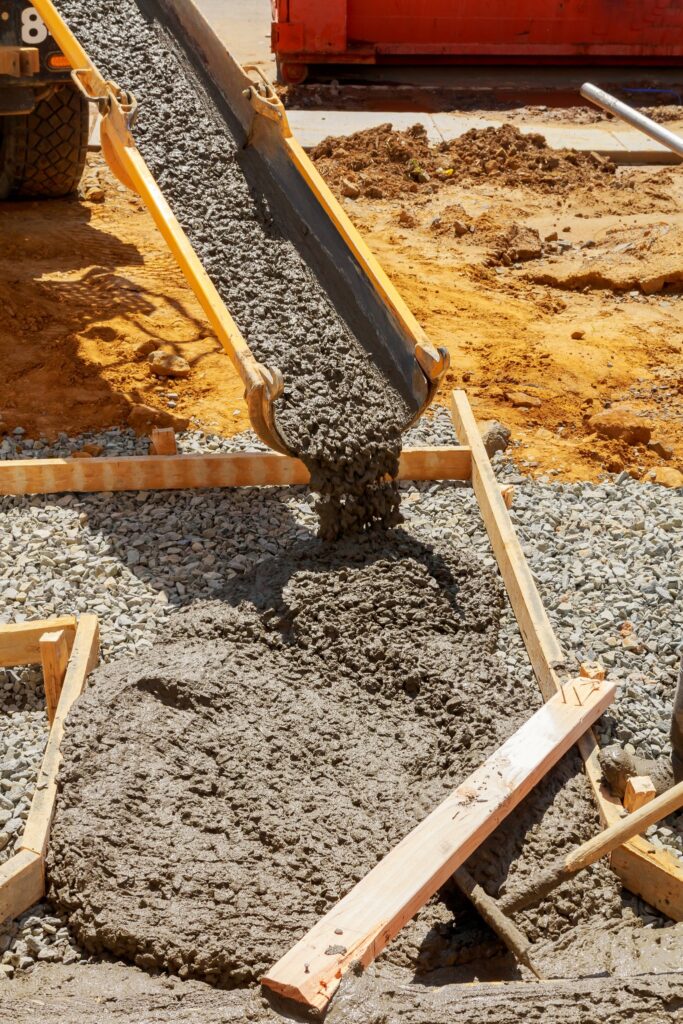
Some concrete contains reinforcing materials, which can change how a project is planned. Reinforcement is never assumed simple or safe to cut.
Electrical, plumbing, drainage, and communication lines, foundations, and other concealed conditions may also be present. A visual check alone is not enough, so identifying them is part of professional planning.
The Project Path
From Existing Concrete to a Cleared Project Area
Each project follows its own plan, but the general path runs from top to bottom:
1 · Define
2 · Assess
3 · Prepare the work area
4 · Controlled breakdown
5 · Remove material
6 · Handle debris
7 · Review the cleared area
8 · Move to the next phase
Controlled breakdown is professional work using methods suited to the specific concrete and site. It is not a do-it-yourself task.
Demolition can involve dust, noise, vibration, fragments, equipment activity, and restricted work areas. Planning manages these, but none can be eliminated entirely.
Know the Difference
Demolition vs. Removal vs. Cutting vs. Replacement
Concrete Demolition
More substantial planned breakdown and removal of existing concrete.
Concrete Removal
Taking selected concrete out of a defined area. Learn more about concrete removal.
Concrete Cutting
Making controlled cuts or modifications for a defined purpose.
Concrete Replacement
Removing unsuitable concrete and installing new concrete. The right service depends on the project.
Material Handling
Material Doesn’t Disappear When Concrete Is Broken
Demolished concrete becomes material that has to be managed. Depending on the scope and available facilities, that can include gathering it, moving it out of the work area, loading, hauling, and appropriate disposal, or recycling where suitable and available.
None of this is automatic. Debris handling, hauling, and disposal should be defined in the project scope.
Disturbing concrete can also create respirable crystalline silica, so professional projects use appropriate controls. OSHA’s construction silica guidance describes common controls.
After Demolition
What Comes After Demolition?
Cleared area → site evaluation → preparation → new project. Demolition removes what is there. The next project determines what happens afterward.
That later work might involve new concrete, construction, landscaping, drainage, utility work, or redevelopment.
These are separate projects and are not automatically included in concrete demolition.
Local Considerations
Concrete Demolition for Burlington Projects
Demolition supports residential and commercial projects, from clearing old flatwork to preparing a site for redevelopment.
Some projects need permits, especially work involving buildings, public right-of-way, or larger construction. Check with the City of Burlington, or Alamance County outside city limits.
Utilities, site access, drainage, neighboring property, and disposal or recycling options are confirmed during project planning.
Estimate Factors
Project Scope
Every demolition project is priced on its own details. The scope is shaped by:
Size
Access
Concrete Type
Reinforcement
Utilities
Surroundings
Debris
Next Phase
The amount and configuration of concrete, work-area limits, material handling, hauling and disposal, complexity, and the intended condition after demolition all play a part.
There is no single price per square foot or cubic yard. A site visit helps define the scope.
Define the Demolition Area
Tell us the type of concrete, roughly how much area is involved, what needs to be demolished, and what must remain. Share site access, nearby structures, any known utilities, and how you plan to use the area afterward. The method is confirmed after an evaluation.
Questions
Concrete Demolition Questions
What is concrete demolition?
It is the planned breakdown and removal of substantial existing concrete sections or elements where appropriate.
How is demolition different from concrete removal?
Removal takes selected concrete out of a defined area. Demolition involves more substantial breakdown, often across a larger project zone.
Can reinforced concrete be demolished?
Often, but reinforcement adds complexity and must be planned for. It is never assumed simple or safe to cut.
What should be considered before concrete demolition?
The scope, what must remain, site conditions, utilities, hidden conditions, material handling, and the next phase.
Does concrete demolition include hauling away debris?
Not automatically. Hauling, disposal, and recycling depend on the agreed project scope.
Does demolition include installing new concrete?
No. New concrete or other construction is a separate project unless it is included in the scope.
What affects the scope of a concrete demolition project?
Size, access, concrete type, reinforcement, utilities, surroundings, debris handling, and the next phase.