Repairing Existing Concrete
Concrete Repair in Burlington NC
Damaged concrete does not always need to be torn out. We look at your existing concrete, find the likely cause of the damage, and explain whether repair makes sense for your driveway, patio, sidewalk, or slab.
Request a Repair Estimate
Warning Signs
Signs Your Concrete May Need Repair
Some changes are only cosmetic. Others point to a growing problem. Watch for these signs:
Cracks
Some cracks stay small and stable. Others widen, shift, or leave an uneven edge. A crack that keeps changing is worth checking.
Chipped Edges
Edges can chip or break from tires, equipment, or shovels. Broken edges can let water reach the ground below.
Spalling
Spalling concrete flakes or pops loose at the surface, leaving shallow pits. Moisture and freeze-thaw cycles often play a role.
Surface Deterioration
Scaling, worn patches, and exposed stone are surface damage. Left alone, concrete deterioration can spread.
Damaged Joints
Joints can lose filler, chip, or open up, letting water and debris get under the slab.
Uneven or Settled Spots
A small area that has sunk or lifted can create a trip hazard and may signal a soil problem below.
Repair Areas
Concrete Surfaces That May Need Repair
We evaluate residential and commercial concrete, including:
Driveways
Concrete driveway repair often deals with cracks, broken edges, and wear from vehicles and weather.
Patios
Concrete patio repair may address surface wear, small cracks, or spots where water collects.
Sidewalks and Walkways
Concrete sidewalk repair can fix chipped edges, cracks, and uneven sections.
Slabs
Concrete slab repair may involve garage floors and pads with cracks, surface damage, or worn joints.
Commercial Surfaces
Commercial concrete repair can include entry walks, pads, and busy work areas.
Finding the Cause
Why the Cause of Concrete Damage Matters
A repair works best when it deals with what caused the damage. If the cause remains, the problem can come back. We look at factors like these:
Moisture
Water that soaks in can weaken the surface as it freezes and thaws.
Drainage
Downspouts or poor slope can send water onto or under the concrete.
Settlement
Soil can compact or wash out, leaving a slab without even support.
Movement
Concrete expands and shrinks with temperature. Tree roots can also shift it.
Subgrade
Soft or weak ground under the slab can lead to cracks and sinking.
Use and Condition
Traffic, vehicle weight, and the age of the existing concrete shape which repairs make sense.
A good evaluation explains what is wrong and why. Ask about the cause when you compare concrete contractors in Burlington.
Repair or Replace?
When Repair Makes Sense and When It May Not
Not every damaged surface can be repaired. The right choice depends on the real condition of your concrete.
Repair May Be a Good Fit When:
The damage is limited to certain areas.
The concrete around the damage is still sound.
The slab is mostly stable and well supported.
The cause of the damage can be addressed.
Replacement May Be Better When:
Cracks, breaks, or sinking cover much of the surface.
The concrete is crumbling or badly deteriorated.
The ground below has failed across a large area.
Earlier repairs keep failing in the same spots.
Replacement means removing unsuitable concrete and placing new concrete. Adding concrete where none exists is a new concrete installation project instead. Some sound surfaces may suit resurfacing, and certain sunken slabs may suit leveling.
Repair Methods
Common Concrete Repair Approaches
The right method depends on the damage, its cause, and the condition of the surrounding concrete.
Crack Repair
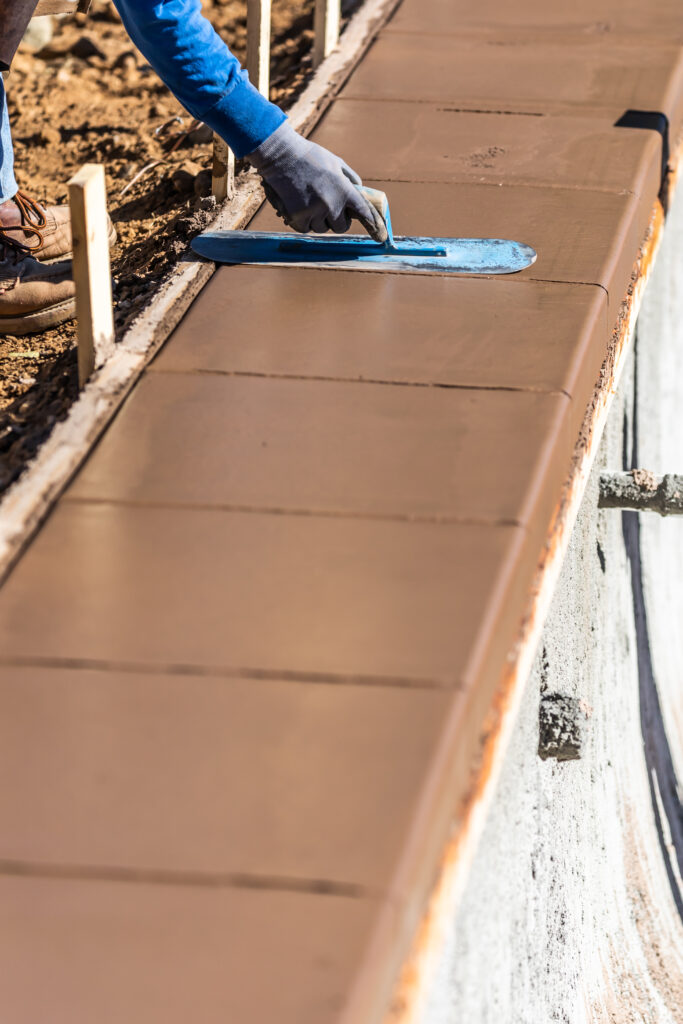
Concrete crack repair usually means cleaning the crack and filling or sealing it to limit water entry. Concrete can still move, so some cracks may return.
Localized Patching
Concrete patching removes loose material in a small area and fills it with a concrete repair material.
Surface Repair
Surface repair treats scaling, spalling, or worn spots when the concrete below is still sound.
Edge Repair
Rebuilds chipped or broken edges on driveways, steps, and walkways.
Joint Repair
Concrete joint repair can replace failed filler, fix chipped joint edges, and reseal joints.
Cutting or removing concrete can be dangerous and should be left to trained crews with proper equipment.
Site Conditions
Conditions That Can Affect Concrete Repair
Several things affect how a repair is done and how well it holds up:
Weather. Heat, cold, and rain affect when repair materials can be applied. Burlington sees hot, humid summers and freezing winter nights.
Surface condition. Repair materials need clean, sound concrete to bond well.
Moisture and drainage. Water problems near the repair should be handled first.
Access and use. A repaired area may need to stay closed for a short time.
Public sidewalks. For sidewalks along city streets, check who maintains them first. The City of Burlington Street Division handles sidewalk maintenance within city limits, except on privately maintained streets.
Planning Your Repair
What Affects a Concrete Repair Estimate
Every repair is priced on its own details, including:
Type and extent of damage
Size and number of repair areas
Cause of the damage
Repair method and materials
Condition of the surrounding concrete
Drainage or moisture issues
Site access
Whether replacement is needed instead
Seeing the concrete in person helps us give an estimate based on your site.
Have Cracked or Damaged Concrete?
Tell us what damage you are seeing and where. We will look at your existing concrete, talk through the likely cause, and let you know whether repair is a good option.
FAQ
Concrete Repair Questions
Can all cracked concrete be repaired?
No. Many cracks can be repaired if the surrounding concrete is in suitable condition. If damage is widespread or the ground has failed, replacement may be better.
Are all concrete cracks serious?
No. Some cracks are mostly cosmetic. Others can point to settlement, drainage problems, or movement. Cracks that grow or shift are worth checking.
Will a repaired crack come back?
It can. Concrete keeps moving with temperature, and the ground below can shift. Fixing the cause, such as poor drainage, helps, but no repair can promise a crack will never return.
What causes spalling concrete?
It is often linked to moisture, freeze-thaw cycles, de-icing salts, or how the surface was first finished. The fix depends on how deep the damage goes.
What is the difference between concrete repair and concrete leveling?
Repair fixes cracks, chips, and spalling. Concrete leveling addresses certain sunken or uneven slabs where a suitable method applies.
Is resurfacing the same as concrete repair?
No. Resurfacing adds a new surface layer over suitable existing concrete. Repair targets specific damaged areas.