Fixing Existing Driveways
Concrete Driveway Repair in Burlington NC
Cracks, chipped edges, and worn sections do not always mean your driveway has to go. We evaluate the damage and its likely cause, then explain whether repair makes sense.
Request a Driveway Evaluation

Start With the Condition
What Driveway Damage Can Tell You
Concrete Driveway Repair starts with understanding what you are looking at. A crack, chipped edge, or worn spot is only part of the story, and some damage really is limited to one area.
Other damage is tied to something bigger, like movement, drainage, moisture, subgrade conditions, or repeated vehicle loads. We look at both the damage and its likely cause before recommending a repair.
That evaluation-first approach is worth asking about when you contact concrete contractors in Burlington.
What We See
Common Concrete Driveway Problems
Cracks
Some driveway cracks are minor and stable. Others widen, shift, or develop height differences that may point to movement below.
Spalling or Scaling
The surface flakes, peels, or pops loose. Moisture, freeze-thaw cycles, and de-icing salts can contribute.
Chipped Edges
Edges can break from tires, equipment, or a lack of support along the side of the slab.
Surface Wear
Rough or worn areas with exposed stone often show up where vehicles turn, park, or travel most.
Uneven Areas
Sunken or lifted sections can create trip hazards. Some may be repairable, while others need a different approach.
Deteriorated Sections
A crumbling area may be repairable on its own, or it may be a sign of a wider problem.
Finding the Cause
Why Did the Driveway Become Damaged?
Similar-looking damage can have different causes, and the right repair depends on which one is at work.
Contributing factors can include water moving under or across the slab, poor drainage, subgrade movement, freeze-thaw cycles, repeated vehicle loads, age, original construction conditions, nearby tree roots, and earlier repairs that did not hold.
Covering a crack is not the same as fixing the problem. If the underlying condition is still active, the damage may come back.
Evaluation First
What We Consider Before Driveway Repair
01
Type of Damage
Cracks, spalling, chipped edges, and settling each call for different thinking.
02
Extent of Damage
Is the damage limited to one spot, or spread across the driveway?
03
Movement
Height differences or widening cracks can point to movement a surface repair will not address.
04
Drainage
We look at where water goes and whether it reaches the damaged areas.
05
Existing Surface Condition
Repairs need sound concrete around them to hold up.
06
Intended Vehicle Use
The vehicles using the driveway affect which repairs make practical sense.
Repair or Replace
Driveway Repair or Replacement?
Repair May Be Worth Considering
Localized damage in an otherwise sound, stable driveway, with a cause that can be addressed, may suit repair.
Replacement May Make More Sense
Widespread deterioration, repeated repair failures, substantial movement, or problems below the slab can change the decision.
A Crack Is Not a Verdict
A cracked driveway does not automatically need replacement. Many cracks can be repaired.
Small Damage Still Needs a Look
Repair is not automatically right because damage looks small. If evaluation shows wider failure, concrete replacement may be the better path.
Water and Moisture
Water and Driveway Damage
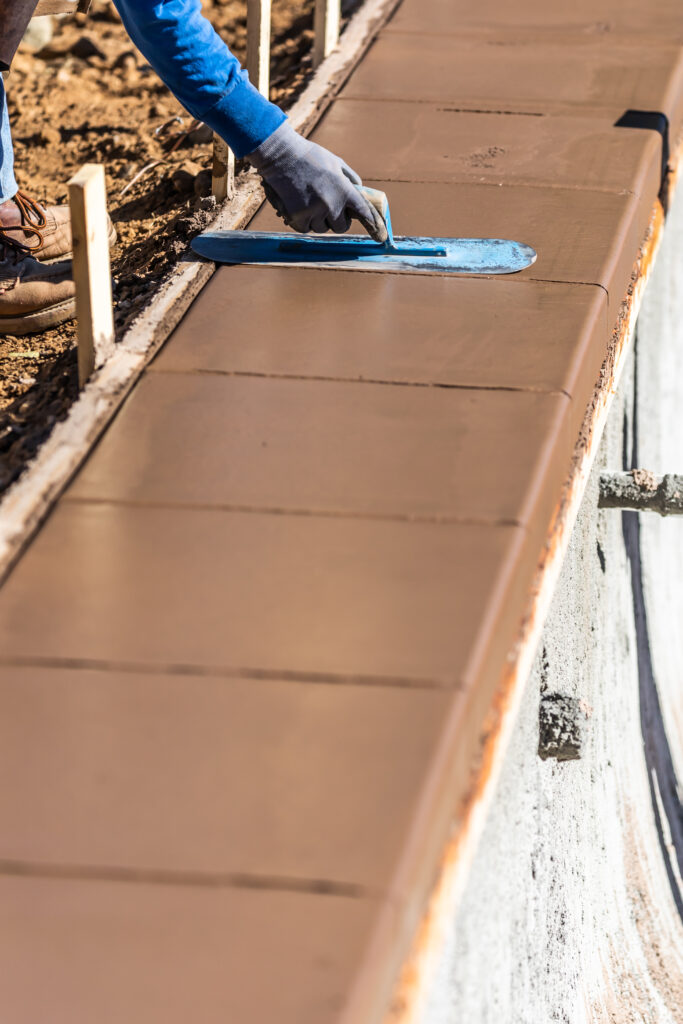
Water does not cause every crack, but it is often part of the story. We look at how water moves around a damaged driveway.
- Runoff. Rain from roofs, the yard, or the street may flow across or under the driveway.
- Standing water. Low spots near edges and joints can let moisture reach weak areas.
- Surrounding grade. Ground that slopes toward the driveway can send water its way.
- Garage and house. Water collecting near the garage entrance deserves attention.
Repairing the concrete does not automatically fix a drainage problem. If water is part of the cause, it may need its own solution.
Repair Options
Common Driveway Repair Approaches
Edges and Small Damaged Areas
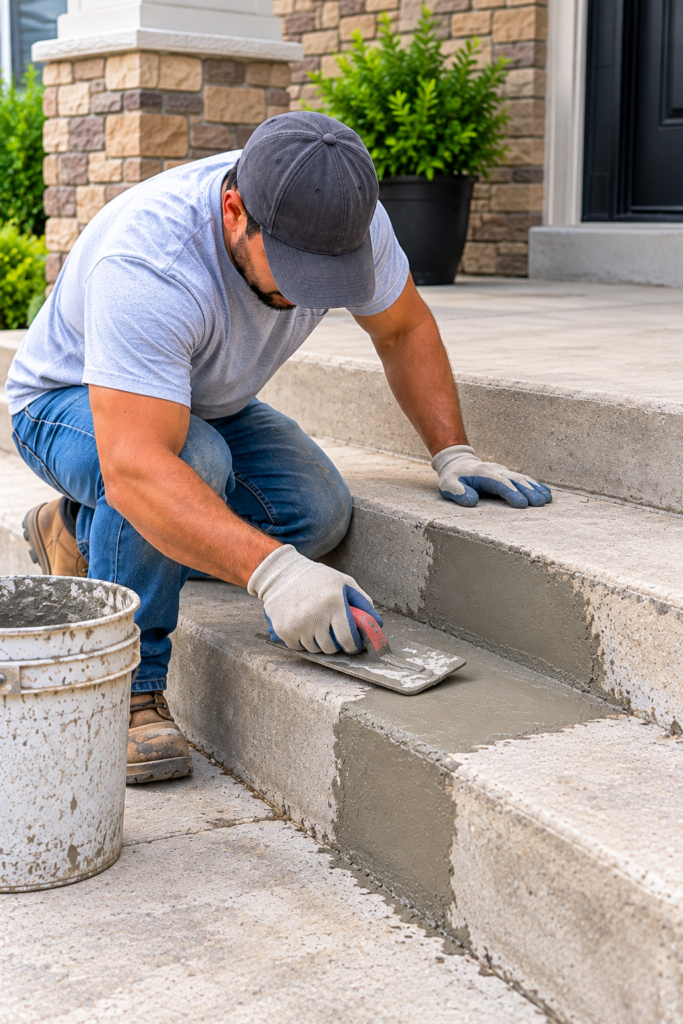
Chipped edges can often be rebuilt, and small areas of damaged surface can be patched with concrete repair materials. The surrounding concrete needs to be sound for these repairs to hold.
Cracks and Isolated Sections
Crack repair usually means cleaning the crack and filling or sealing it to limit water getting in. Concrete can still move, so cracks may return depending on the cause.
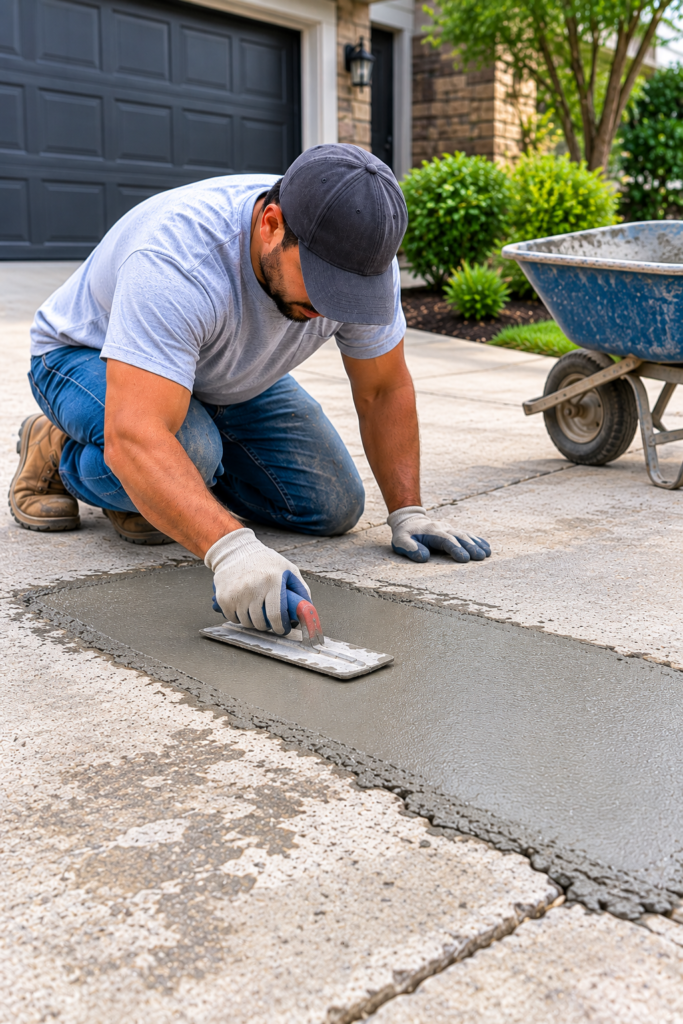
When one section has failed but the rest is sound, that section may be replaced on its own. Some conditions call for resurfacing or leveling instead, which are separate services.
Local Conditions
Concrete Driveway Repair in Burlington, North Carolina
Burlington’s Piedmont soils often contain clay, which can drain slowly and hold moisture, so drainage and subgrade conditions deserve a close look when a driveway cracks or settles.
Winters here bring freezing nights, and freeze-thaw cycles add stress to concrete that already lets water in through cracks or damaged surfaces.
Many driveway repairs stay on private property. If work reaches the street connection or the public right-of-way, City of Burlington rules may apply. The city requires an excavation permit for work in its right-of-way, and its permits and fees page explains driveway and right-of-way permits.
Planning Your Repair
What Affects a Driveway Repair Estimate
Repair scope and cost depend on the driveway. Common factors include:
Type of damage
Extent of damage
Number of affected areas
Site access
Existing concrete condition
Underlying conditions
Drainage considerations
Preparation needed
Repair approach and complexity
Not every repair uses the same method. Seeing the driveway in person helps define what yours needs.
Have a Damaged Concrete Driveway?
Tell us what you are seeing, where the damage is, and how much of the driveway it affects. We will talk through whether repair or replacement makes more sense.
FAQ
Driveway Repair Questions
Can cracks in a concrete driveway be repaired?
Many can. Whether a crack is a good candidate depends on its cause, whether it is still moving, and the condition of the concrete around it.
How do I know if my driveway needs repair or replacement?
It depends on how widespread the damage is, whether the slab is stable, and what is causing it. An in-person evaluation is the best way to decide.
Why is my concrete driveway cracking?
Common causes include shrinkage as concrete cures, ground movement, poor drainage, freeze-thaw cycles, and repeated vehicle loads. Often more than one factor is involved.
Can an uneven driveway be repaired?
Sometimes. It depends on why the section moved and how much. Some uneven areas may be repairable, while others may call for leveling or replacement.
Will repaired concrete match the existing driveway?
Usually not exactly. Repairs can be blended, but differences in color and texture are common, especially on older concrete.
Does repairing a driveway stop cracks from returning?
Not always. Results depend on the underlying cause, movement, drainage, the existing concrete, and the repair method. Addressing the cause helps.