Replacing Worn-Out Concrete
Concrete Replacement in Burlington NC
When existing concrete is badly damaged, unstable, or no longer fits how you use it, more repairs may not make sense. We check its condition, explain whether replacement is the practical choice, and handle removal and new concrete.
Ask About Concrete Replacement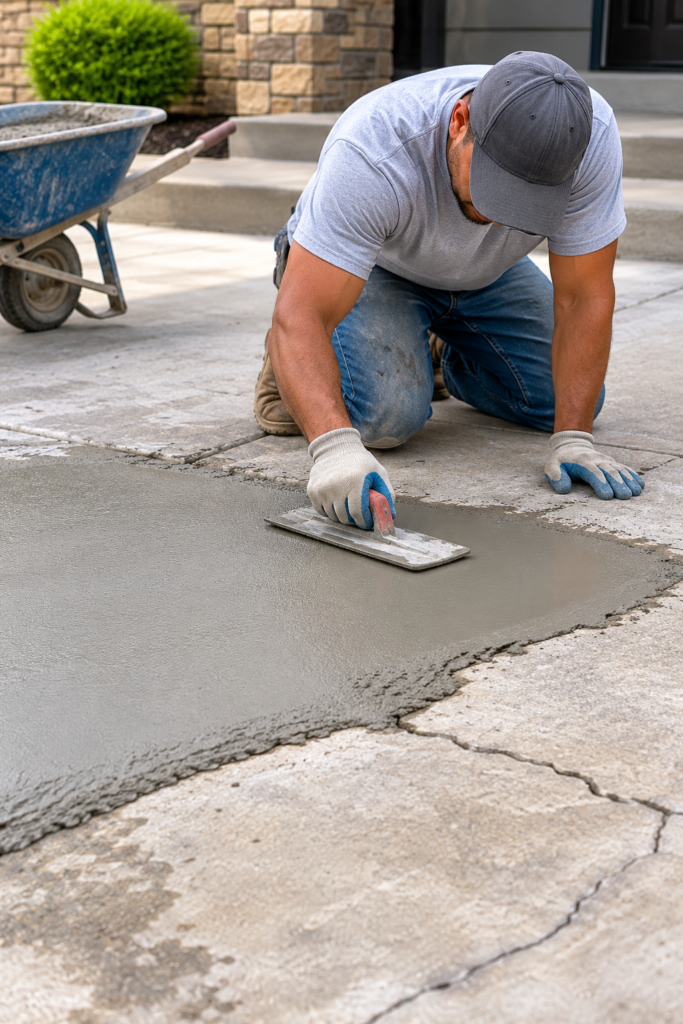
Start With the Condition
Is Replacement the Right Call?
Concrete Replacement means removing existing concrete that is no longer a good candidate for repair and placing new concrete in its place. The choice depends on the real condition of the concrete and what is causing the problem, not just how the surface looks.
We look at how far deterioration goes, whether it covers the whole slab, signs of movement or settlement, drainage, the subgrade, and earlier repairs.
Your plans matter too. Heavier use or a new finished look may favor replacement. When you compare concrete contractors in Burlington, ask how each one decides between the two.

Warning Signs
When Concrete Replacement May Be Worth Considering
Widespread Cracking
Cracks that run across much of the surface or keep multiplying may point to deeper problems.
Badly Broken Sections
Loose, crumbling, or broken pieces can be hard to repair in a way that lasts.
Repeated Repair Problems
Patches that keep failing in the same spots suggest the concrete or ground needs a closer look.
Surface Failure
Heavy scaling or spalling across most of the slab can make patching impractical.
Major Unevenness
Sunken or tilted sections should be evaluated. Leveling, repair, or replacement may be options.
A Change in Use
A walkway that now needs to carry vehicles, for example, may need to be rebuilt.
Compare Your Options
Concrete Repair vs. Concrete Replacement
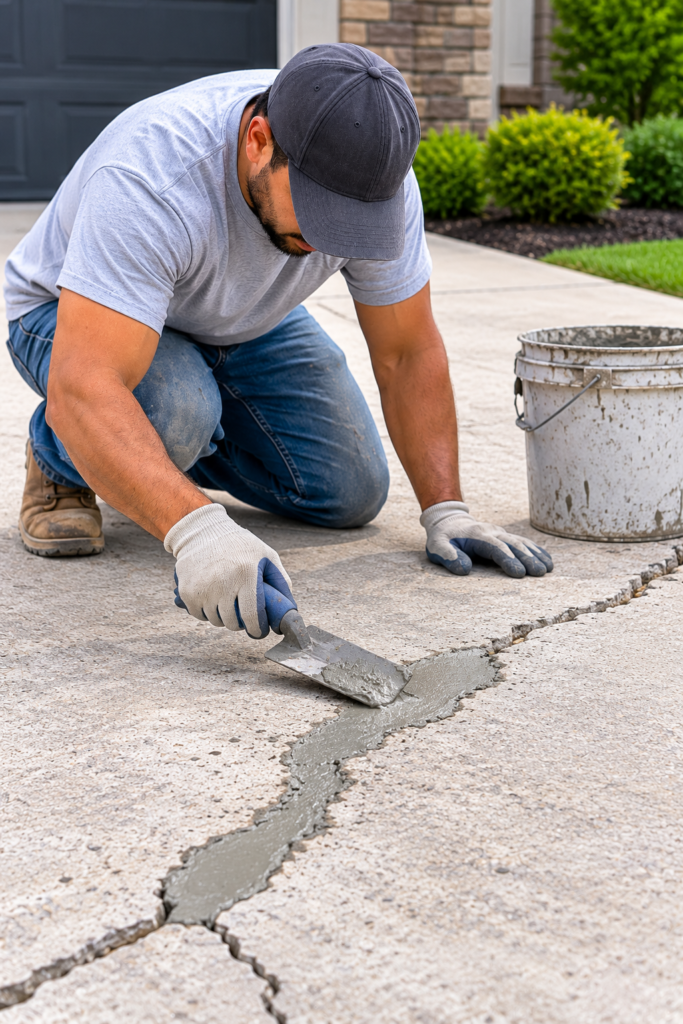
Neither option is always better. Localized damage in otherwise sound concrete can often be handled with concrete repair. When damage is extensive or the problem starts below the slab, replacement may be more practical.
- Repair may fit when damage is limited, the slab is mostly stable, and the cause can be addressed.
- Partial replacement may fit when one section is failing but the rest is sound.
- Full replacement may fit when damage or movement affects much of the surface, or repairs have not held up.
No single crack decides the answer. The concrete should be evaluated in person.
Understanding the Cause
Why Existing Concrete Fails
Water, Weather, and Drainage
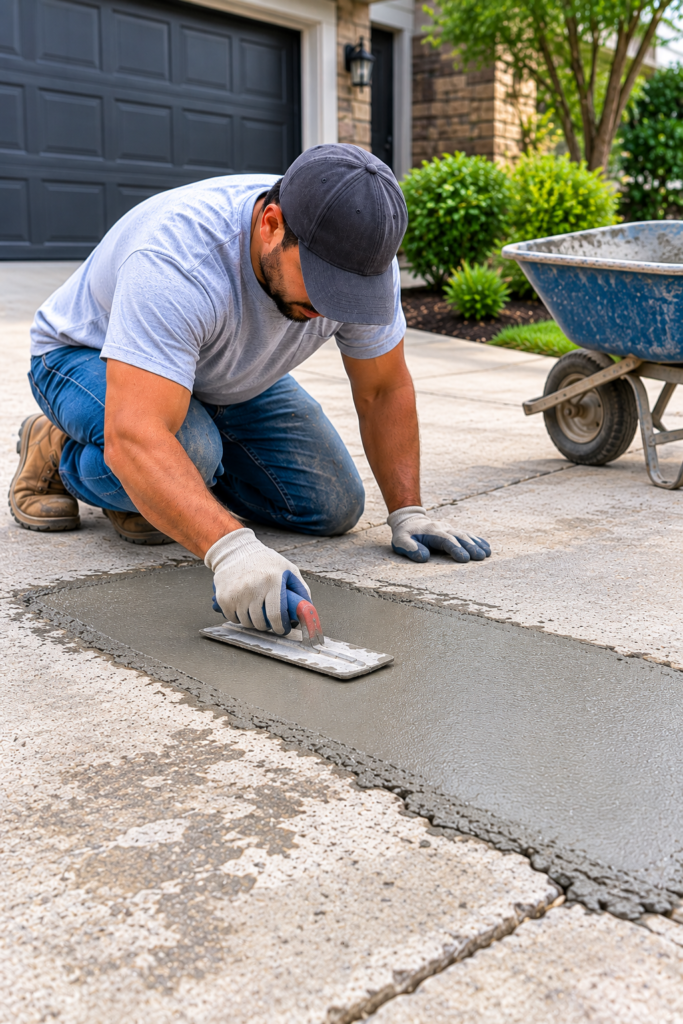
Moisture is behind many concrete problems. Water that pools on the surface or runs underneath can soften the ground and weaken the concrete. Freeze-thaw cycles add stress, and poor drainage keeps the damage going.
Ground, Loads, and Age
Concrete depends on the ground beneath it. Soil that settles, washes out, or was poorly prepared can leave a slab without even support. Heavy vehicles, repeated use, and age add up.
The cause usually cannot be confirmed from a photo. Finding it matters, because new concrete placed over the same problem may fail the same way.
How It Works
The Concrete Replacement Process
01
Evaluate Existing Concrete
We check the damage, nearby surfaces, drainage, and signs of movement.
02
Plan Removal
The removal area is marked, and access, hauling, and protection of nearby surfaces are planned.
03
Prepare the Area
After the old concrete is broken out and hauled away, the ground is checked and prepared.
04
Address Site and Drainage
Soft spots or drainage issues found during removal should be handled before new concrete goes in.
05
Place New Concrete
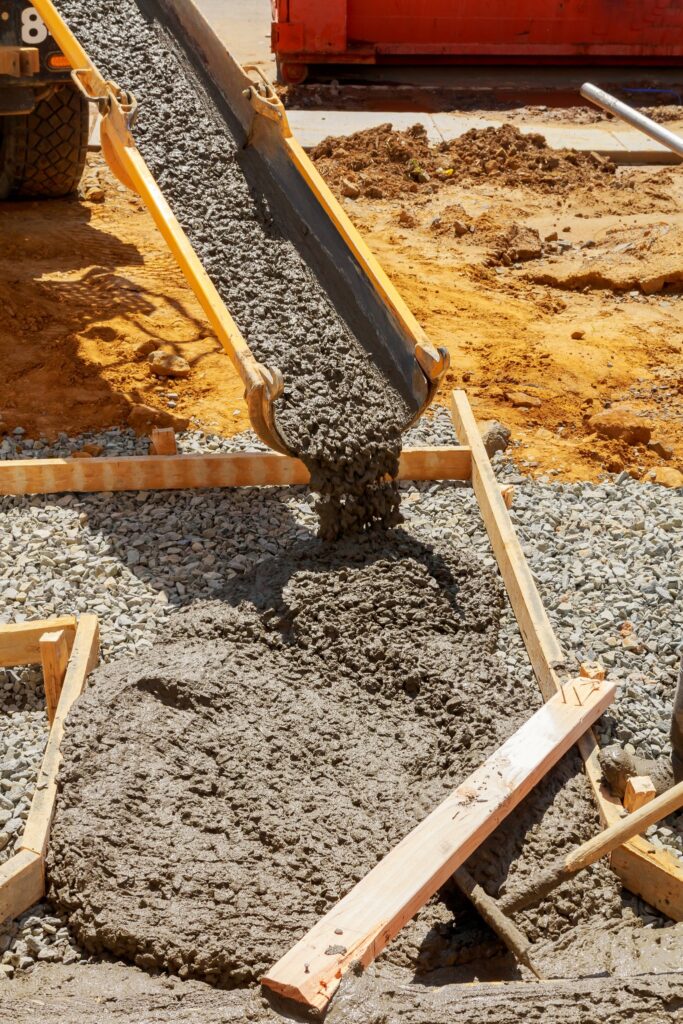
Forms are set and new concrete is placed to fit the layout and intended use.
06
Finish and Protect
The surface is finished, joints are added, and the concrete is protected while it cures.
Common Projects
Concrete Surfaces We Replace
Driveways
Driveway replacement may make sense when cracking, broken sections, or settling affect much of the drive.
Patios
Patio replacement can address worn, cracked, or sloping surfaces and gives you a chance to update the layout or finish.
Sidewalks and Walkways
Sidewalk replacement removes broken or uneven sections that make walking difficult.
Slabs
Garage floors, shed pads, and other slabs may be replaced when damage or movement is widespread.
Steps
Concrete steps that are crumbling or pulling away from the house may be better rebuilt than patched.
Residential and Commercial
We replace residential concrete and commercial concrete, from home driveways to business walkways and pads.
Local Considerations
Replacing Concrete in Burlington
Burlington sits in North Carolina’s Piedmont, where clay-rich subsoils are common. Clay can drain slowly, so the ground and drainage under old concrete deserve a careful look.
The City of Burlington notes that changing an existing driveway or adding a connection to a public street may require a permit, and work in the public right-of-way needs its own permit. See the city’s permits and fees page. Many projects never touch the right-of-way, but it is worth checking.
Hauling old concrete away means planning equipment access around landscaping. Hot summers and freezing winter nights also affect when new concrete is placed.
Planning Your Budget
What Affects a Concrete Replacement Estimate
Every replacement project is priced on its own details. Common factors include:
Size of the existing concrete area
Condition of the old concrete
Removal and breakout needs
Hauling and disposal
Site access
Ground and subgrade preparation
Drainage considerations
Intended use
Finish and layout complexity
Not every project needs every step. Seeing the concrete in person helps clarify what yours will involve.
Wondering If Your Concrete Should Be Replaced?
Tell us about your existing concrete and what has gone wrong. We will look at its condition and talk through whether repair or replacement makes more sense.
FAQ
Concrete Replacement Questions
How do I know if concrete should be repaired or replaced?
It depends on how widespread the damage is, whether the slab is stable, and what caused the problem. An in-person evaluation is the best way to decide.
Can only part of a concrete surface be replaced?
Often, yes. A failing section may be replaced on its own if the rest is sound. New concrete may not match the older surface exactly.
What causes concrete to need replacement?
Common causes include drainage problems, settling or soft ground, freeze-thaw damage, heavy loads, and age. Often more than one is involved.
What happens to the old concrete?
It is broken up, loaded, and hauled away for disposal or recycling where available.
How long before new replacement concrete can be used?
It depends on the concrete, weather, site conditions, and intended use. Walking is usually allowed before driving, and we will give guidance for your project.
Does replacing concrete fix drainage problems?
Not by itself. New concrete can be shaped to shed water, but downspouts, grading, or soil issues may need separate attention.