Design-Focused Concrete
Decorative Concrete in Burlington NC
Concrete can be practical without looking plain. Decorative choices in color, texture, pattern, finish, and detailing change how a surface looks and feels.
Explore Your Concrete Design Options
Function Meets Appearance
More Than One Decorative Finish
Decorative Concrete is a broad category, not a single finish. It covers the many ways concrete can be made more visually distinctive while still doing its everyday job.
A project’s look may come from color, texture, pattern, the surface finish, borders, accents, or how it ties into surrounding materials. Most designs combine several of these.
Working through those choices with concrete contractors in Burlington helps the finished surface suit both the space and its use.
Start With the Setting
Design Your Concrete Around the Property
Decorative concrete works best when it feels like part of the property, not a separate surface dropped into the yard.
Brick, siding, roof and trim tones, landscaping, retaining walls, existing hardscape, and the architectural style all offer cues for color, texture, and pattern.
Furniture layout and neighboring surfaces matter too. A design that relates to its surroundings tends to look intentional from every angle.
Design Directions
Ways to Give Concrete More Character
Texture and Pattern
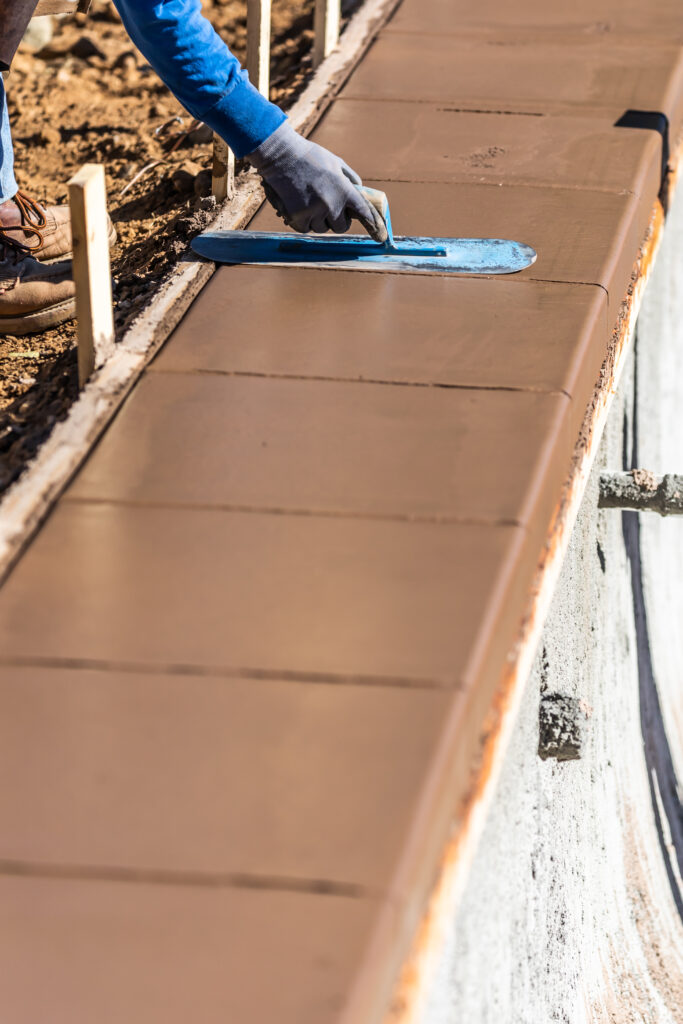
Texture adds visual depth, and pattern shapes how the surface reads from a distance. Together they do more than any other choice to move concrete away from a plain, flat look.
Color
Subtle tones can blend with the surroundings, while contrasting tones draw attention to details.
Borders and Accents
A contrasting band or accent area can frame a surface and define where it starts and ends.
Surface Finish
The final finish affects how the surface looks, how it feels underfoot, and how it handles water.
Layout and Shape
Curves, angles, and the way sections meet can make a simple footprint feel designed.
Building the Look
How a Decorative Concrete Design Comes Together
01
Surface
Start with the space, its size, and how it will be used.
02
Color
Choose an overall tone that suits the setting.
03
Texture
Add surface character and depth.
04
Pattern
Decide whether a repeating shape fits the design.
05
Details
Finish with borders, accents, and clean edges.
Surface Character
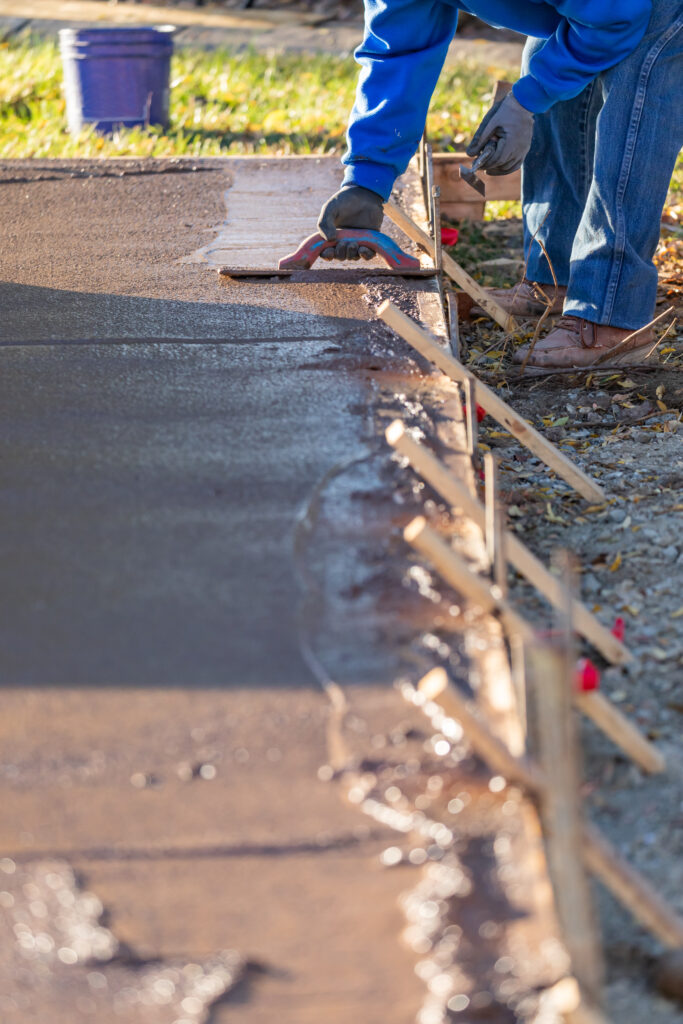
Every Choice Shows in the Finished Surface
Applications
Where Decorative Concrete Fits
Decorative finishes are most common on exterior surfaces people see and use every day, such as:
- Patios and outdoor rooms
- Walkways and garden paths
- Porches and entry areas
- Pool-deck areas
- Selected driveway areas
Not every decorative treatment suits every application. The right finish depends on intended use, exposure, traffic, moisture, surface needs, and design goals.

Details
Design Details That Change the Result
Tone and Contrast
Subtle or bold color choices shift the whole character of the surface.
Texture Depth
Stamping is one way to add texture and pattern. Our stamped concrete page covers it in detail.
Edges and Borders
Clean edges and framed borders give the design a finished outline.
Joints and Transitions
Where sections and surfaces meet can be planned to support the design.
Realistic Expectations
Appearance, Performance, and Care
Decorative concrete is made on site, so color tone, shading, texture, pattern impressions, and transitions can vary, and the surface can look different in changing light. Samples and photos guide the design, but the result will not match them exactly.
Looks should not replace practical planning. Drainage, exposure, traffic, and site conditions still matter, and finishes for areas that get wet should suit how the space is used. No decorative finish is slip-proof.
Decorative concrete is not maintenance-free. Regular cleaning, prompt stain care, and watching the surface condition help it keep its look. Avoid harsh treatments. Sealer upkeep, where it applies, depends on exposure, traffic, weather, and the product used.
Outdoor Conditions
Decorative Concrete for Burlington Properties
Hot, humid summers, regular rain, and cold winter nights mean decorative work is scheduled around the weather, since finishes need suitable conditions while the concrete is workable.
Strong sun and deep shade can change how color and sealers weather over time, and rain makes drainage across a textured surface worth planning.
Choosing a decorative approach that fits its setting, whether sunny, shaded, or near a pool, helps the surface keep its intended look.
Project Planning
What Affects a Decorative Concrete Estimate
Every decorative project is priced on its own details, which usually fall into two groups:
Design Choices
- Color
- Texture
- Pattern
- Borders and accents
- Details and edges
- Surface finish
Project Conditions
- Size and shape
- Site access
- Preparation
- Intended use
- Existing conditions and drainage
- Overall complexity
There is no single price per square foot. Talking through your design and site helps define the scope.
Start With the Look You Want
Tell us about the surface, where it is, and its rough size. Share your color, texture, and pattern ideas, the materials around it, and how you plan to use the space.
Questions
Decorative Concrete Questions
What is decorative concrete?
It is concrete designed with extra attention to appearance, using choices like color, texture, pattern, finish, and borders.
Is decorative concrete the same as stamped concrete?
Not exactly. Stamped concrete is one decorative approach. Decorative concrete is the broader category.
Can decorative concrete be colored?
Yes. Color is one common design tool. Tones can vary, so exact matches are not promised.
Where can decorative concrete be used?
Patios, walkways, porches, entries, pool-deck areas, and some driveway areas are common. The right finish depends on the use.
Will decorative concrete look exactly like a sample?
No. Samples and photos guide the design, but site-made concrete can vary in tone, texture, and shading.
Is decorative concrete suitable for outdoor areas?
Yes, when the finish suits the exposure, drainage, traffic, and how the area is used.
How is decorative concrete maintained?
Clean it regularly, deal with stains promptly, avoid harsh treatments, and keep up with sealer care where it applies.