Pattern, Texture, and Color
Stamped Concrete in Burlington NC
Stamped concrete adds pattern and texture to a concrete surface. The design can be planned to suit your home, your landscaping, and the way you use the space.
Plan Your Stamped Design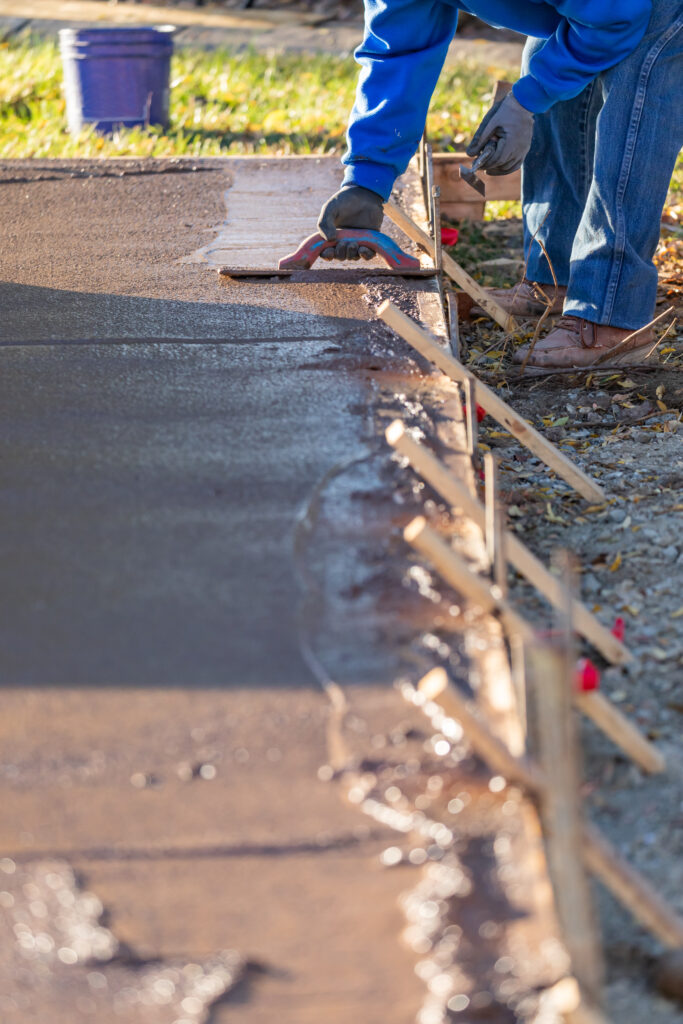
Start With the Look
Concrete Does Not Have to Look Plain
Stamped Concrete is concrete whose surface is patterned and textured while it is still workable. The result is a decorative surface with a shape and feel chosen for your project.
Many designs take inspiration from stone, slate, brick, or tile. They are stone-inspired or brick-style looks rather than copies, and the surface is still concrete.
Bringing a few photos of styles you like is a good way to start a conversation with concrete contractors in Burlington.
Design Ideas
Stamped Concrete Design Ideas
Stone-Inspired Patterns
Irregular shapes that suggest a natural stone layout, often chosen for a relaxed outdoor feel.
Slate-Style Texture
A layered, slightly rough texture that adds visual depth without a strong pattern.
Brick-Style Layouts
Running bond or herringbone-style patterns that can echo nearby brickwork.
Large-Format Patterns
Bigger shapes that can suit wide areas and a cleaner, more modern look.
Subtle Textured Surfaces
Texture alone, with no repeating pattern, for a quieter decorative finish.
Borders and Accent Areas
A contrasting band or detail can frame the main surface and define its edges.
Applications
Where Stamped Concrete Can Work
Stamped finishes are most often used on exterior surfaces where appearance matters, such as:
- Patios and outdoor seating areas
- Walkways and garden paths
- Porches and entry areas
- Pool-deck areas
- Selected driveway sections
Not every stamped finish suits every use. Foot traffic, vehicles, exposure, drainage, and how a surface feels when wet all shape the choice. For an outdoor living space, our concrete patio page covers the planning side.

Design Elements
What Shapes the Look of Stamped Concrete?
01
Pattern
Sets the shapes and layout the eye notices first.
02
Texture
Adds surface character and depth, up close and underfoot.
03
Color
Sets the overall tone and can bring out the texture.
04
Layout
Decides how the pattern runs across the space and meets its edges.
05
Borders and Details
Frame the surface or mark steps, edges, and transitions.
06
Surrounding Materials
Brick, siding, stone, and plants help guide every choice above.
Pattern and Texture
Pattern and Texture Are Not the Same
Pattern is the shape and layout of the surface, like the outline of stones or bricks. Texture is the surface character, the fine detail that gives it depth.
Pattern scale should fit the size of the space, the architecture, and nearby hardscape. A large pattern can feel crowded on a narrow path, while a small one can look busy across a wide patio.
No single pattern is right for every property, and available options vary, so choices are reviewed for each project.
Coordinated Design
Designing Around Your Property
Home Exterior
Brick, siding, and trim colors can guide the pattern style and overall tone.
Landscaping and Walls
Beds, plants, and retaining features can be framed or echoed by the design.
Existing Hardscape
New stamped areas should sit comfortably next to existing concrete, pavers, or stone.
Scale and Use
Seating areas, furniture, and the size of the space help set the pattern scale.
Color and Variation
Color, Variation, and Realistic Expectations
Color plays a supporting role. It can set the overall tone, add contrast, and bring out the texture, ideally in step with the materials around it.
Because concrete is made on site, color tone, texture, pattern impressions, and shading can vary, and the surface can look different in changing light. Samples and photos help set direction, but exact matches are not promised.
Some variation is part of the look, much like the natural materials that inspire the design.
Process and Care
Creating and Caring for Stamped Concrete
How the Stamped Look Is Created
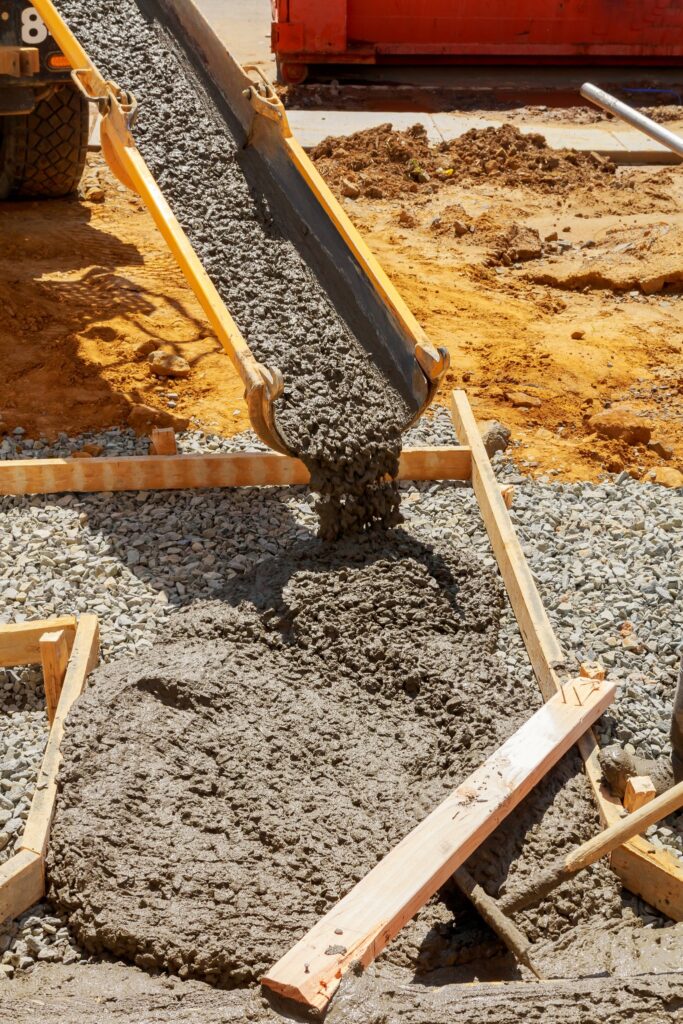
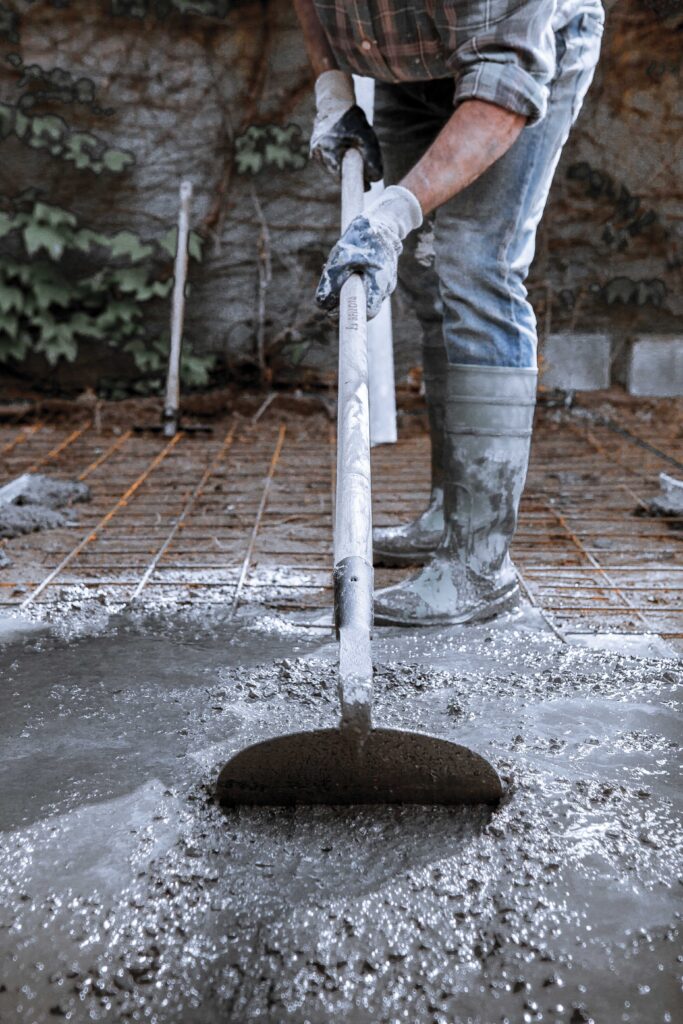
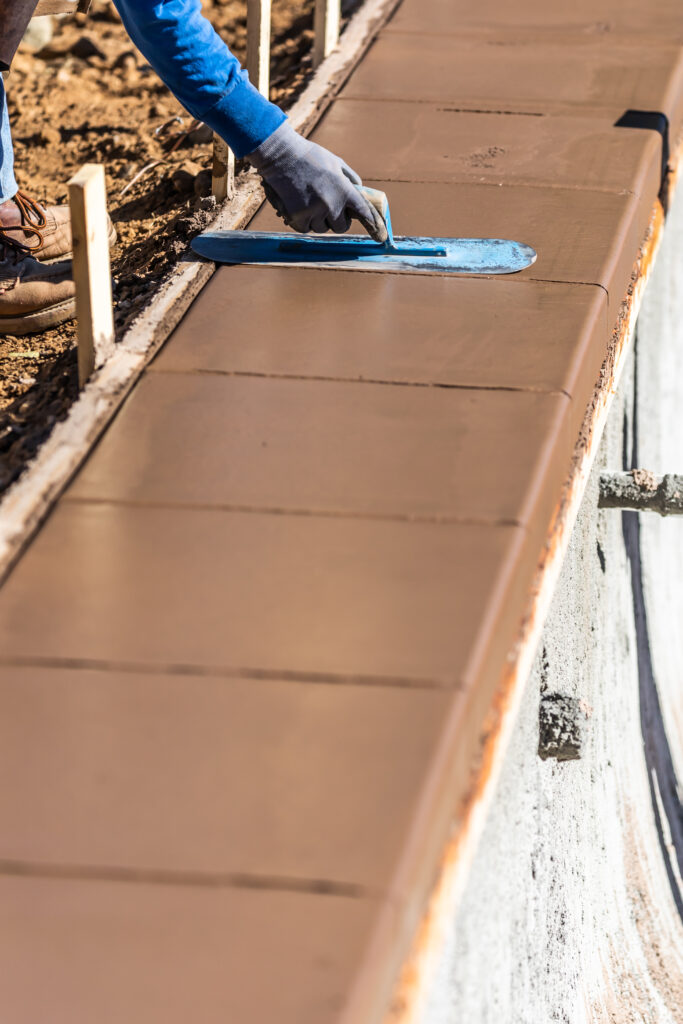
After design planning and site preparation, concrete is placed and any planned color is added. While the surface is still workable, the pattern and texture are pressed in, then edges and details are finished. The surface is protected while it cures, and a sealer may be applied where it suits the chosen system.
Care and Maintenance
Stamped concrete is not maintenance-free. Regular sweeping, rinsing, and prompt attention to stains help keep it looking good. Avoid harsh cleaners or tools that can damage the surface or sealer.
How often a sealer needs renewing depends on exposure, traffic, weather, the product used, and the surface condition, so there is no single schedule.
Local Considerations
Stamped Concrete in Burlington, North Carolina
Hot, humid summers, regular rain, and cold winter nights all affect when stamped concrete is placed, since the work needs suitable weather while the surface is still workable.
Full sun and deep shade can change how colors and sealers weather over time, and rain makes drainage across a textured surface worth planning.
Winter nights can dip below freezing, and some deicing products can be hard on concrete surfaces, so ask which products suit your finish.
Planning Your Budget
What Affects a Stamped Concrete Estimate
Every stamped project is priced on its own details. Common factors include:
Project size and shape
Site access and preparation
Pattern complexity
Texture choice
Color approach
Borders and details
Concrete needs and surface use
Removal of old material
Finishing, sealing, and complexity
There is no single price per square foot. Talking through your design and site helps define the scope.
Ready to Design Your Stamped Concrete?
Tell us about the area, how you will use it, and its rough size. Share the style you like, pattern and texture ideas, color preferences, nearby materials and hardscape, and any site conditions we should know about.
FAQ
Stamped Concrete Questions
What is stamped concrete?
It is concrete with a pattern and texture pressed into the surface while it is still workable, creating a decorative finish.
What patterns can stamped concrete have?
Common ideas include stone-inspired, slate-style, brick-style, and large-format patterns, plus texture-only finishes. Available options vary by project.
Can stamped concrete be colored?
Yes. Color is often used with stamping to set the tone and bring out texture. Final color can vary, so exact matches are not promised.
Does stamped concrete look exactly like natural stone?
No. It can create a stone-inspired look, but it is still concrete and has its own character.
Is stamped concrete slippery when wet?
It depends. Texture, finish, sealer, moisture, and use all affect how a surface feels when wet, so these are considered during design, especially near pools.
How do you maintain stamped concrete?
Sweep and rinse it regularly, deal with stains promptly, and avoid harsh treatments. Sealer care depends on exposure, traffic, weather, and the product used.
Where can stamped concrete be used?
Patios, walkways, porches, entries, pool-deck areas, and some driveway areas are common. The right finish depends on how the surface will be used.